-
-
Sign In
Create your Account
Breaking News
Iran Internet Toll Plan: हॉर्मुज स्ट्रेट की केबल्स पर टैक्स की तैयारी, इंटरनेट स्पीड पर असर की आशंका
समस्तीपुर में सनसनी: खानपुर में युवक का गला रेतकर कत्ल, बगीचे से मिला शव, शराब की बोतलों ने खोला राज
Bihar Bridge Safety Alert: पुल टूटा तो नहीं बचेंगे अफसर! बिहार सरकार ने इंजीनियरों को किया हाई अलर्ट
1 लाख से कम में बेस्ट गेमिंग लैपटॉप: दमदार प्रोसेसर, RTX ग्राफिक्स और हाई परफॉर्मेंस वाले टॉप ऑप्शंस
ممبئی تربوز موت معاملہ: فارنسک رپورٹ میں بڑا انکشاف، چوہا مار زہر سے ایک ہی خاندان کے 4 افراد کی موت
मोकामा विधायक अनंत सिंह पर FIR के बाद सियासत गरम, जनेऊ कार्यक्रम में डांस-हथियार विवाद पर बयान वायरल
पूर्णिया में मिड-डे मील में कीड़ा मिलने पर सख्ती, जांच में लापरवाही उजागर, निगरानी बढ़ाने के निर्देश
लॉन्च के 6 महीने में OnePlus 15 हुआ महंगा, 6,000 रुपये तक बढ़ी कीमत, जानिए नए फीचर्स और स्पेसिफिकेशन
Samastipur/Delhi: कैबिनेट विस्तार से पहले दिल्ली में तेज हलचल, सम्राट चौधरी की शाह-राजनाथ से मुलाकात
Bihar Police News: गया में लव ट्रायंगल विवाद में फायरिंग, निजी ड्राइवर ने सरकारी सिपाही को मारी गोली
नालंदा के पावापुरी में सोशल मीडिया प्रेमजाल से अपहरण और फिरौती का खुलासा, मुख्य आरोपी युवती गिरफ्तार
बिहार में पंचायत चुनाव से पहले साइबर ठगी तेज, मानदेय के नाम पर जनप्रतिनिधियों को बनाया जा रहा निशाना
Bihar Judges Transfer: पटना हाईकोर्ट की अनुशंसा पर 8 न्यायाधीशों का तबादला, कई जिलों में नई पोस्टिंग
मनु भाकर से वैभव सूर्यवंशी पर सवाल से छिड़ा विवाद, सोशल मीडिया पर क्रिकेट बनाम अन्य खेलों की बहस तेज
गया जंक्शन पर 20 दिन का मेगा ब्लॉक, राजधानी एक्सप्रेस सहित कई ट्रेनों के रूट और प्लेटफॉर्म में बदलाव
बिहार में प्रशासनिक फेरबदल की तैयारी, कैबिनेट विस्तार के बाद कई जिलों में नए डीएम और आईएएस तबादले तय
मधुबनी में मुकेश सहनी का बड़ा बयान, कहा—समाज के बिना ‘मलाई’ नहीं चाहिए, निषाद आरक्षण पर फिर उठी मांग
Apple MacBook Ultra: 2027 में आ सकता है नया प्रीमियम लैपटॉप, OLED और टच स्क्रीन समेत बड़े बदलाव संभव
Bihar Satellite Township: बिहार में 11 सैटेलाइट टाउनशिप की शुरुआत, जमीन मालिकों को मिलेगा 55% हिस्सा
Instagram का नया Instants ऐप लॉन्च, Snapchat को मिलेगी टक्कर—बिना फिल्टर फोटो शेयरिंग फीचर चर्चा में
काजोल ने तोड़ा 30 साल पुराना नियम, पहली बार किया ऑन-स्क्रीन किसिंग सीन—खुद बताया क्यों लिया यह फैसला
पीएम मोदी का बंगाल दौरा: कोलकाता में रोड शो के बाद हुगली नदी में नौका विहार, तस्वीरों ने खींचा ध्यान
कच्चे तेल की कीमत 100 डॉलर पार, अमेरिका-ईरान तनाव से बाजार धड़ाम, सेंसेक्स और निफ्टी में भारी गिरावट
Bihar NH Projects Update: पटना-पूर्णिया एक्सप्रेसवे सहित 6 बड़ी सड़क योजनाएं कैबिनेट मंजूरी में अटकी
Iran–US Diplomatic Breakthrough in Islamabad: High-Level Talks Expected Amid Tight Security Lockdown
Iran–US Diplomatic Breakthrough in Islamabad: High-Level Talks Expected Amid Tight Security Lockdown
बिहार में सैलरी-पेंशन भुगतान पर संकट, 10% कर्मचारियों को नहीं मिला वेतन, करोड़ों लाभार्थी इंतजार में
जमुई में शराब तस्करी गिरोह का भंडाफोड़, मास्टरमाइंड समेत 5 गिरफ्तार, नाबालिगों के इस्तेमाल का खुलासा
कटिहार में खेत में करंट लगने से पति-पत्नी की दर्दनाक मौत, चार बच्चों के सिर से उठा माता-पिता का साया
दरभंगा में 128 राजस्व कर्मचारी निलंबित, सामूहिक अवकाश से सरकारी काम बाधित करने पर डीएम का बड़ा एक्शन
बक्सर में सुकन्या योजना के नाम पर साइबर ठगी का बड़ा खुलासा, 80 महिलाओं के खातों से करोड़ों का लेनदेन
Imad Mughniyeh: The Shadow Commander Behind Hezbollah’s Global Network and Modern Asymmetric Warfare
बिहार में सम्राट चौधरी के शपथ ग्रहण से पहले पटना में हाई अलर्ट, ट्रैफिक व्यवस्था बदली, कई रास्ते बंद
भागलपुर में शराबबंदी पर बड़ा सवाल: उत्पाद विभाग की गाड़ी से शराब बरामद, चालक नशे में हंगामा करता रहा
Bihar Airport Expansion: Survey to Be Conducted in 4 Districts, AAI Team from Delhi to Inspect Sites
बिहार के सरकारी स्कूलों में सख्त निगरानी लागू, अधिकारियों को रोज 3 स्कूलों का निरीक्षण करना अनिवार्य
पटना में RJD अल्पसंख्यक प्रकोष्ठ के कार्यक्रम में गरजे तेजस्वी यादव, केंद्र-राज्य सरकार पर बोला हमला
शराबबंदी पर मांझी का बड़ा बयान, बोले- पाव भर शराब वालों पर सख्ती क्यों, बड़े तस्कर कैसे बच जाते हैं?
समस्तीपुर में अपर मुख्य सचिव डॉ. एन विजयलक्ष्मी ने LPG, PNG और जनकल्याण सेवाओं का लिया विस्तृत जायजा
रोहतास में मंदिर से चांदी का गदा और कीमती सामान चोरी, ग्रामीणों में उबाल—“अब भगवान भी सुरक्षित नहीं”
आस्था, अनुशासन और प्रकृति उपासना का महापर्व: चैती छठ 22 मार्च से, चार दिनों तक गूंजेगा भक्ति का स्वर
पश्चिम चंपारण में जमीन विवाद बना खून-खराबे की वजह, पिता और भाई पर हत्या का आरोप, एक की मौत, दो गंभीर
पटना में BPSC TRE-4 नोटिफिकेशन को लेकर शिक्षक अभ्यर्थियों का महा आंदोलन, पैदल मार्च में जताई नाराजगी
बिहार में इफ्तार डिप्लोमेसी: नीतीश कुमार और चिराग पासवान की दावतें सियासी गलियारों में चर्चा का विषय
निशांत कुमार की जदयू में धमाकेदार एंट्री: जिम्मेदारी तय होने की प्रतीक्षा, पार्टी और विपक्ष में हलचल
हाजीपुर कोर्ट में सनसनी: पेशी के दौरान कैदी ने छत से पोखर में लगाई छलांग, पुलिस ने घेराबंदी कर पकड़ा
युद्ध की आंच से रसोई तक संकट: दरभंगा में गैस सिलेंडर के लिए सुबह 4 बजे से लाइन, खाली हाथ लौट रहे लोग
नीतीश कुमार के बेटे निशांत कुमार का राजनीतिक डेब्यू: राज्यसभा की राह और बिहार की राजनीति में नई पारी
भारत में अप्रैल से अनिवार्य: E20 इथेनॉल-ब्लेंडेड पेट्रोल की नई ऑक्टेन रेटिंग, आयात पर निर्भरता घटेगी
बिहार में अब जमीन दलालों की खैर नहीं: सरकार ने हर अंचल कार्यालय में लगाए CCTV, सख्त कार्रवाई का एलान
राजद-जदयू विवाद: नीरज कुमार ने सुनील कुमार सिंह पर जमकर साधा निशाना, शराब और इलेक्ट्रॉल बांड पर घेरा
दिल्ली से लेह जा रही स्पाइसजेट की उड़ान तकनीकी खराबी के कारण वापस दिल्ली लौट आई, सभी यात्री सुरक्षित
बिहार विधानसभा में विधायक निधि बढ़ाने को लेकर हंगामा: सत्ता और विपक्ष एकजुट, सदन में देर तक नारेबाजी
बजट सत्र के 15वें दिन सदन में हंगामा: अपराध पर घिरी सरकार, जीआई टैग और छात्र योजनाओं पर भी गरमाई बहस
पीरपैंती पावर प्रोजेक्ट पर अडानी की नजर: बिहार की ऊर्जा तस्वीर बदलने वाली योजना की आज करेंगे समीक्षा
बयानबाज़ी से गरमाया बिहार—तेजस्वी यादव बनाम मैथिली ठाकुर टकराव में ‘पुराना-नया बिहार’ की बहस फिर तेज
बिहार राज्यसभा चुनाव 2026: AIMIM ने खुद का उम्मीदवार उतारने का किया ऐलान, पांचवीं सीट के समीकरण बदले
मुजफ्फरपुर: 16 वर्षीय छात्रा की गोली मारकर हत्या, आरोपी ने थाने में आत्मसमर्पण किया, इलाके में सनसनी
फुलवारी शरीफ छात्रा मौत मामला: संदिग्ध परिस्थितियों में छात्रा की मौत, हत्या या आत्महत्या की बहस तेज
पटना: तेज प्रताप यादव का बड़ा बयान, बोले- राजनीति में साजिशें आम हैं, मेरी हत्या की साजिश भी होती रही
लोकसभा स्पीकर पर घिरा विवाद: हटाने के प्रस्ताव से गरमाया बजट सत्र, जानिए क्या है संवैधानिक प्रक्रिया
सिवान में पत्रकार पर हमला: शादी से लौटते वक्त बाइक सवार बदमाशों ने फायरिंग कर किया गंभीर रूप से घायल
“होली पर बिहार आने वालों के लिए रेलवे ने चलाई स्पेशल ट्रेनें, यात्रियों के लिए तत्काल टिकट भी उपलब्ध
मुजफ्फरपुर में स्नातक छात्र पर बाइक सवार बदमाशों ने किया हमला, पेट में लगी गोली, पुलिस जांच में जुटी
बिहार बजट में महिला सशक्तिकरण का रोडमैप: गांव की इकाई से शहर के बाजार तक, ट्रेनिंग से सीधे रोजगार तक
मोदी सरकार में बिहार को रेलवे की नई ताकत:रेल बजट नौ गुना बढ़ा,हाईस्पीड कॉरिडोर से बदलेगी कनेक्टिविटी
बिहार में जमीन दस्तावेजों का डिजिटल युग:1908 से अब तक की रजिस्ट्री एक क्लिक पर,दफ्तरों के चक्कर खत्म
बजट 2026-27: ‘शी मार्ट’ से जीविका दीदियों को मिलेगा नया बाजार, बिहार बन सकता है महिला उद्यमिता का हब
कैथी लिपि के दस्तावेज अब नहीं बनेंगे सिरदर्द, सरकार ने तय किया रेट और उपलब्ध कराए प्रशिक्षित अनुवादक
समस्तीपुर जिले के अपर जिलाधिकारी बृजेश कुमार ने गणतंत्र दिवस पर जिलेवासियों को दी हार्दिक शुभकामनाएं
निष्ठा, सेवा और स्मृतियों से सजी विदाई: आचार्य विजयव्रत कंठ को भावभीनी सम्मान-समारोह में दी गई विदाई
समृद्धि यात्रा का सातवां पड़ाव: मुजफ्फरपुर को 850 करोड़ की विकास सौगात देंगे मुख्यमंत्री नीतीश कुमार
West Asia Conflict Impact: Oil Crisis Raises Fears in India, Work From Home Push Gains Attention

- Repoter 11
- 13 May, 2026
Rising tensions in West Asia have begun affecting global oil prices and India’s economy. PM Narendra Modi’s appeal for fuel conservation and discussions around work from home highlight growing economic pressure.
The ongoing geopolitical tension involving Iran, Israel, and the United States has now entered its second month, and its impact is increasingly visible on the global economy. Rising instability in West Asia has led to volatility in crude oil prices, raising concerns about energy security across many countries, including India.
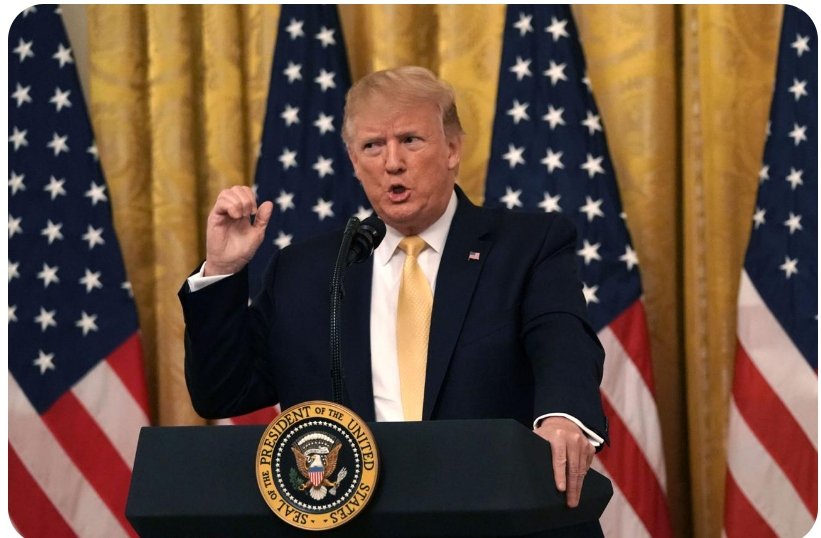
Prime Minister Narendra Modi has recently appealed to citizens to adopt a more cautious and responsible approach toward the use of petroleum products. His message also included broader suggestions for reducing dependence on foreign imports and encouraging more efficient consumption patterns during this uncertain global period.
The conflict in West Asia is not only disrupting oil and gas supply chains but also affecting several critical import-dependent sectors. As India remains heavily reliant on energy imports from this region, the economic ripple effects are beginning to reflect in policy discussions at both governmental and institutional levels.
Growing Debate Around Work From Home
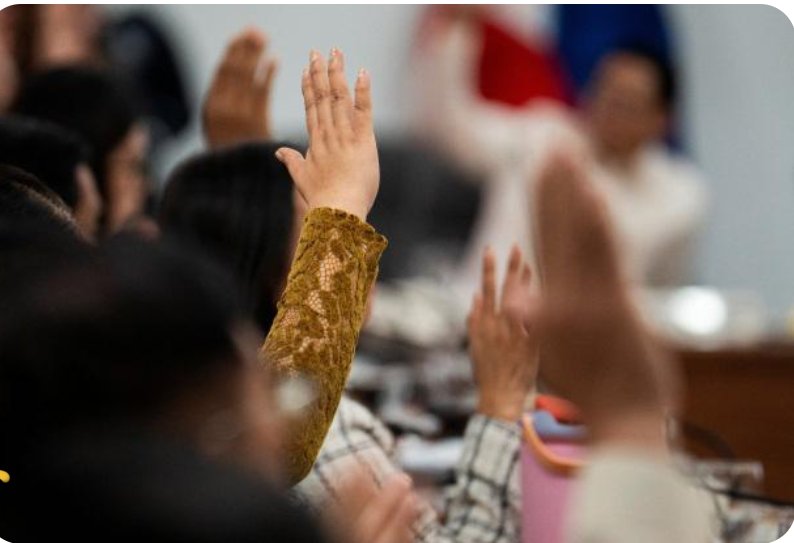
Among the suggestions gaining attention from PM Modi’s appeal, the idea of expanding work from home (WFH) has sparked significant public interest, particularly among salaried employees and the private sector workforce.
However, the key question remains: Can employees in India legally demand work from home?
Is Work From Home a Legal Right in India?
At present, Indian labour laws do not grant employees a legal right to work from home. Remote work is primarily governed by employment contracts, company HR policies, and mutual agreement between employers and employees.
Under existing legal frameworks, employers retain the authority to decide workplace conditions, including location and attendance requirements. State-level Shops and Establishments Acts also do not specifically guarantee remote work rights.
In simple terms, employees cannot legally demand WFH unless it is explicitly mentioned in their contract or company policy.
New Labour Codes and Remote Work Recognition
India’s newly introduced labour codes (2025 framework) have formally acknowledged the concept of remote and hybrid working arrangements. However, even these provisions do not make work from home a statutory right for employees.
Instead, the system leaves it to mutual negotiation between employers and employees, allowing flexibility but not enforceability.
Special Circumstances Where WFH May Be Considered
Although there is no universal right to remote work, certain legal provisions allow flexible arrangements:
Under the Maternity Benefit Act, 1961, mothers may be offered WFH based on mutual agreement after childbirth.
Employees with disabilities or medical conditions may request remote working arrangements depending on workplace feasibility.
Safety concerns or special health needs may also be considered by employers on a case-by-case basis.
How WFH Became Mandatory During COVID-19
During the COVID-19 pandemic, work from home became widely adopted across the world, including India. It was enforced through emergency legal provisions such as:
Disaster Management Act, 2005
Epidemic Diseases Act, 1897
Government lockdown and administrative guidelines
These extraordinary measures made remote work legally binding during the crisis period, as physical offices were either restricted or shut down.
Global Response to Energy Crisis and Remote Work
As energy prices rise again due to West Asia instability, several countries have started revisiting COVID-era strategies like remote work and reduced office operations to conserve fuel and electricity.
According to the International Energy Agency (IEA), nearly 40 countries have adopted or strengthened energy-saving measures, including:
Fuel rationing
Restrictions on government travel
Carpooling and public transport incentives
Hybrid and remote work policies
Country-Wise Measures
Sri Lanka
Some government sectors have shifted to a four-day work week to reduce fuel consumption and travel pressure.
Philippines
An energy emergency has led to reduced working days in several public offices.
Pakistan
Facing foreign exchange pressure and fuel shortages, parts of the public sector have adopted partial remote work.
Vietnam
Businesses are encouraged to adopt online meetings and remote work to reduce transportation costs.
Indonesia
Public offices have reduced working days and promoted remote work systems.
Myanmar
Fuel shortages have led to alternate-day vehicle usage rules and increased remote work practices.
Europe
The European Commission and several countries have implemented fuel-saving strategies such as reduced vehicle usage, carpooling, and increased public transport reliance.
Conclusion
The rising geopolitical tension in West Asia has once again highlighted the vulnerability of global energy systems. For India, the situation is a reminder of its dependence on imported crude oil and the need for long-term energy resilience strategies.
While work from home is being discussed as a possible adaptive measure, it remains a policy choice rather than a legal entitlement. However, in times of global disruption, flexible work arrangements may become an increasingly important part of economic planning worldwide.
Leave a Reply
Your email address will not be published. Required fields are marked *