-
-
Sign In
Create your Account
Breaking News
Singhia News: बिना लाइसेंस दवा दुकान, निजी अस्पताल, पैथोलॉजी और अल्ट्रासाउंड सेंटरों की जांच की मांग
India News: पीएम मोदी ने रखी ‘शक्ति की सप्तधारा’, विकसित भारत के लिए मैन्युफैक्चरिंग से AI तक पर जोर
Samastipur News: हर घर तिरंगा अभियान में समस्तीपुर में भव्य रैली, डीएम रोशन कुशवाहा ने बढ़ाया उत्साह
Bihar Vigilance Raid: कार्यपालक अभियंता संजय कुमार के पटना, नालंदा और खगड़िया ठिकानों पर एक साथ छापा
Vaishali News: महनार में पुलिस टीम पर हमला, हिरासत से आरोपी को छुड़ाया; चौकीदार के बेटे को मारी गोली
Lifestyle News: आइसक्रीम और Frozen Dessert में क्या है अंतर? खरीदने से पहले जरूर पढ़ें पैकेट का लेबल
Samastipur News: रोसड़ा बाइपास निर्माण को मिली रफ्तार, 57.84 करोड़ की परियोजना से जाम से मिलेगी राहत
Bihar News: नरकटियागंज में पंचायत सचिव 15 हजार रुपये रिश्वत लेते गिरफ्तार, विजिलेंस की बड़ी कार्रवाई
Bihar News: मधुबनी के पूर्व SDO की 49.03 लाख की संपत्ति जब्त, भ्रष्टाचार पर विशेष अदालत का बड़ा आदेश
India News: पप्पू यादव के दिल्ली आवास पर हंगामे का दावा, प्रेस कॉन्फ्रेंस के दौरान युवक को पकड़ा गया
Patna Student Arrest: पटना छात्र प्रदर्शन मामले में कार्रवाई तेज, 24 FIR, 258 छात्र बेऊर जेल भेजे गए
Bihar Weather Alert: 27 जुलाई के बाद बिहार में भारी बारिश और वज्रपात का खतरा, IMD ने जारी की चेतावनी
Bihar Medal Lao Naukri Pao Scheme | आकाशदीप और मुकेश कुमार बने डीएसपी, 19 खिलाड़ियों को सरकारी नौकरी
Bhojpur Vigilance Raid: चतुर्थ वर्गीय कर्मचारी के ठिकानों पर छापा, आय से 253.8% अधिक संपत्ति की जांच
Bihar Sugar Mills: गोपालगंज, सकरी और रैयाम की बंद चीनी मिलें फिर होंगी शुरू, सरकार ने किया बड़ा ऐलान
Patna Ganga Bridge News: कच्ची दरगाह-बिदुपुर 6 लेन पुल तैयार, उत्तर और दक्षिण बिहार की दूरी होगी आधी
Bankipur Assembly Bypoll: आज उम्मीदवारों को मिलेगा चुनाव चिह्न, बांकीपुर उपचुनाव में तेज होगा प्रचार
Puri Rath Yatra Stampede: जगन्नाथ रथयात्रा में भगदड़, दो श्रद्धालुओं की मौत की खबर, 150 से अधिक घायल
Patna Sex Racket Busted: पटना सिटी के होटल में पुलिस की छापेमारी, 12 गिरफ्तार, 5 युवतियां हिरासत में
TCS AI Hiring: एआई पर बड़ा दांव, हजारों फॉरवर्ड डिप्लॉयड इंजीनियर्स की होगी भर्ती, जानिए क्या है FDE
Rohit Pawar News: روہت پوار کا بی جے پی پر حملہ، شرد پوار اور ایکناتھ شندے کی ملاقات پر بھی دی وضاحت
Bihar Crime News: बेगूसराय रामाकांत यादव हत्याकांड में 7 दोषियों को उम्रकैद, कोर्ट ने सुनाई बड़ी सजा
IND vs ENG T20 Highlights: इंग्लैंड ने भारत को 125 रन से हराया, टीम इंडिया की टी20 में सबसे बड़ी हार
Protest in London over PoK: UK Kashmiris Rally Outside Pakistan High Commission, Demand Human Rights
Bihar Panchayat Election 2026: समय पर होंगे पंचायत चुनाव या टलेंगे? तैयारियों में देरी से बढ़ी चिंता
Lock Upp Season 2: Shilpa Shinde Enters as First Wild Card Contestant, Reality Show Gets a New Twist
Bihar Crime: बेगूसराय में टॉप-10 अपराधी गिरफ्तार, हथियार बरामदगी के वायरल वीडियो पर पुलिस ने दी सफाई
बिहिया रेलवे स्टेशन पर जनसाधारण एक्सप्रेस में धुएं से मची अफरा-तफरी, महिला यात्री चलती ट्रेन से कूदी
Bihar Transfer News: बिहार में 427 अधिकारियों का ट्रांसफर, CDPO, BDO समेत कई विभागों में बड़ा फेरबदल
Bihar Weather Alert: समस्तीपुर समेत 22 जिलों में बारिश-वज्रपात का अलर्ट, 3-4 दिन सक्रिय रहेगा मानसून
समस्तीपुर में खुला स्मृति आईवीएफ एंड फर्टिलिटी सेंटर, उपमुख्यमंत्री विजय कुमार चौधरी ने किया उद्घाटन
बिहार में तेज होगी सड़क कनेक्टिविटी, 15 हजार करोड़ से अधिक की परियोजनाओं की डीपीआर केंद्र को भेजी गई
RCP Singh Meets Nitish Kumar: पुराने साथी आरसीपी सिंह पहुंचे नीतीश कुमार से मिलने, सियासी अटकलें तेज
15 سالہ ویبھَو سوریہ ونشی کا ڈیبیو ٹلا، شاندار کارکردگی کے باوجود پلیئنگ الیون سے باہر رکھنے پر سوال
राजगीर मलमास मेला हत्याकांड पर राजनीति तेज, दो दलित युवकों की मौत को लेकर राजद ने सरकार पर उठाए सवाल
समस्तीपुर में 266 प्रशिक्षु सिपाहियों का पारण परेड समारोह, डीआईजी ने उज्ज्वल भविष्य की दी शुभकामनाएं
चोरौत के भंटाबाड़ी तौफीक हत्याकांड पर सियासत तेज, RJD नेताओं ने पीड़ित परिवार को दिया न्याय का भरोसा
शेखपुरा कांग्रेस ने संभाली संगठन की कमान, छह नए प्रखंड अध्यक्षों को सम्मानित कर दिया मजबूती का संदेश
भोजपुर एनकाउंटर विवाद गहराया, मानवाधिकार अधिवक्ता ने NHRC में दायर की याचिका, जांच और मुआवजे की मांग
समस्तीपुर में डीएम का जनता दरबार, भूमि विवाद से लेकर पेंशन और सड़क समस्या तक कई मामलों की हुई सुनवाई
Inverter Battery Care Tips: गलत पानी से जल्दी खराब हो सकती है बैटरी, जानें सही तरीका और एक्सपर्ट राय
पटना-पूर्णिया एक्सप्रेसवे रूट विवाद: समस्तीपुर में लोगों का विरोध, घर-दुकान और कॉलेज पर संकट के आरोप
अनंत सिंह समेत 7 आरोपियों को बड़ी राहत, गोपालगंज अश्लील डांस और हथियार प्रदर्शन मामले में मिली जमानत
समस्तीपुर में 15 केंद्रों पर होगी सिपाही भर्ती परीक्षा, प्रशासन ने कदाचारमुक्त संचालन के लिए कसी कमर
परीक्षार्थियों के लिए रेलवे का बड़ा फैसला, बिहार के चार जिलों से पाटलिपुत्र तक चलेंगी स्पेशल ट्रेनें
रिशु श्री घोटाला केस में SVU की बड़ी कार्रवाई, तीन अधिकारी गिरफ्तार, पूर्व IAS संजीव हंस की तलाश तेज
SP अरविंद प्रताप सिंह का सख्त एक्शन, लापरवाही के आरोप में बिथान थानाध्यक्ष प्रकाश चंद्र राजू सस्पेंड
Sitamarhi News: डॉ. स्मृति स्पर्श को राष्ट्रीय सम्मान, समस्तीपुर में भी खुलेगा अत्याधुनिक IVF केंद्र
Samastipur News: मोहनपुर में ‘रन फॉर एनवायरनमेंट’ का आयोजन, युवाओं ने पर्यावरण संरक्षण का दिया संदेश
जदयू ने पार किया 1 करोड़ सदस्यता का आंकड़ा, नीतीश कुमार के नेतृत्व में संगठन विस्तार को मिली नई ताकत
IPL 2026 Final: कैलाश खेर की शानदार प्रस्तुति ने बांधा समां, सुरों से गूंज उठा नरेंद्र मोदी स्टेडियम
समस्तीपुर में सीएसपी डकैती कांड का खुलासा, फरार आरोपी गिरफ्तार, पुलिस ने पूरी साजिश का किया पर्दाफाश
बिहार में मौसम का बड़ा बदलाव, 8 जिलों में तेज बारिश का अलर्ट, आंधी ने मचाई तबाही और उमस से मिली राहत
Tata Sons News: टाटा समूह में बढ़ा अंदरूनी तनाव, घाटे और IPO को लेकर नोएल टाटा-चंद्रशेखरन आमने-सामने
Samastipur School Timing Changed: भीषण गर्मी के कारण 31 मई तक स्कूलों में 11 बजे के बाद पढ़ाई पर रोक
नौतन में घर के बाहर बैठे युवक की गोली मारकर हत्या, बुलेट अंसारी की मौत से बवाल, सड़क जाम कर प्रदर्शन
विक्रमशिला सेतु पर बेली ब्रिज निर्माण पूरा, जल्द शुरू होगा यातायात, बीआरओ ने तेज की मरम्मत प्रक्रिया
बेउर नाला निर्माण में लापरवाही पर बड़ा एक्शन: ठेकेदार कंपनी पर 10 लाख जुर्माना, ब्लैकलिस्ट की तैयारी
Bihar Politics: मुजफ्फरपुर में मंत्री की जुबान फिसली, खुद को बता बैठे स्वास्थ्य मंत्री, वीडियो वायरल
Bihar School: सरकारी स्कूलों में अब पढ़ाई के बाद होगी स्पेशल कोचिंग, शिक्षकों को मिलेगा अलग इंसेंटिव
बिहार में दिव्यांगों और बुजुर्गों के लिए चलेगी स्पेशल बस सेवा, पटना में शुरू होंगी लो-फ्लोर CNG बसें
राजधानी एक्सप्रेस में लगी आग: राजस्थान में AC कोच में धुआं उठते ही मची अफरा-तफरी, 68 यात्री सुरक्षित
آج کی قومی خبریں: بھارت میں سیاسی، معاشی، سماجی اور تکنیکی شعبوں میں بڑی تبدیلیاں، مکمل تفصیلی رپورٹ
बेगूसराय में बिहार पुलिस की तैयारी कर रहे युवक ने की आत्महत्या, मां के इलाज का खर्च बना चिंता की वजह
Iran Internet Toll Plan: हॉर्मुज स्ट्रेट की केबल्स पर टैक्स की तैयारी, इंटरनेट स्पीड पर असर की आशंका
समस्तीपुर में सनसनी: खानपुर में युवक का गला रेतकर कत्ल, बगीचे से मिला शव, शराब की बोतलों ने खोला राज
Bihar Bridge Safety Alert: पुल टूटा तो नहीं बचेंगे अफसर! बिहार सरकार ने इंजीनियरों को किया हाई अलर्ट
1 लाख से कम में बेस्ट गेमिंग लैपटॉप: दमदार प्रोसेसर, RTX ग्राफिक्स और हाई परफॉर्मेंस वाले टॉप ऑप्शंस
ممبئی تربوز موت معاملہ: فارنسک رپورٹ میں بڑا انکشاف، چوہا مار زہر سے ایک ہی خاندان کے 4 افراد کی موت
मोकामा विधायक अनंत सिंह पर FIR के बाद सियासत गरम, जनेऊ कार्यक्रम में डांस-हथियार विवाद पर बयान वायरल
पूर्णिया में मिड-डे मील में कीड़ा मिलने पर सख्ती, जांच में लापरवाही उजागर, निगरानी बढ़ाने के निर्देश
लॉन्च के 6 महीने में OnePlus 15 हुआ महंगा, 6,000 रुपये तक बढ़ी कीमत, जानिए नए फीचर्स और स्पेसिफिकेशन
Samastipur/Delhi: कैबिनेट विस्तार से पहले दिल्ली में तेज हलचल, सम्राट चौधरी की शाह-राजनाथ से मुलाकात
Bihar Police News: गया में लव ट्रायंगल विवाद में फायरिंग, निजी ड्राइवर ने सरकारी सिपाही को मारी गोली
नालंदा के पावापुरी में सोशल मीडिया प्रेमजाल से अपहरण और फिरौती का खुलासा, मुख्य आरोपी युवती गिरफ्तार
बिहार में पंचायत चुनाव से पहले साइबर ठगी तेज, मानदेय के नाम पर जनप्रतिनिधियों को बनाया जा रहा निशाना
Bihar Judges Transfer: पटना हाईकोर्ट की अनुशंसा पर 8 न्यायाधीशों का तबादला, कई जिलों में नई पोस्टिंग
मनु भाकर से वैभव सूर्यवंशी पर सवाल से छिड़ा विवाद, सोशल मीडिया पर क्रिकेट बनाम अन्य खेलों की बहस तेज
गया जंक्शन पर 20 दिन का मेगा ब्लॉक, राजधानी एक्सप्रेस सहित कई ट्रेनों के रूट और प्लेटफॉर्म में बदलाव
बिहार में प्रशासनिक फेरबदल की तैयारी, कैबिनेट विस्तार के बाद कई जिलों में नए डीएम और आईएएस तबादले तय
मधुबनी में मुकेश सहनी का बड़ा बयान, कहा—समाज के बिना ‘मलाई’ नहीं चाहिए, निषाद आरक्षण पर फिर उठी मांग
Apple MacBook Ultra: 2027 में आ सकता है नया प्रीमियम लैपटॉप, OLED और टच स्क्रीन समेत बड़े बदलाव संभव
Bihar Satellite Township: बिहार में 11 सैटेलाइट टाउनशिप की शुरुआत, जमीन मालिकों को मिलेगा 55% हिस्सा
Instagram का नया Instants ऐप लॉन्च, Snapchat को मिलेगी टक्कर—बिना फिल्टर फोटो शेयरिंग फीचर चर्चा में
काजोल ने तोड़ा 30 साल पुराना नियम, पहली बार किया ऑन-स्क्रीन किसिंग सीन—खुद बताया क्यों लिया यह फैसला
पीएम मोदी का बंगाल दौरा: कोलकाता में रोड शो के बाद हुगली नदी में नौका विहार, तस्वीरों ने खींचा ध्यान
कच्चे तेल की कीमत 100 डॉलर पार, अमेरिका-ईरान तनाव से बाजार धड़ाम, सेंसेक्स और निफ्टी में भारी गिरावट
Bihar NH Projects Update: पटना-पूर्णिया एक्सप्रेसवे सहित 6 बड़ी सड़क योजनाएं कैबिनेट मंजूरी में अटकी
Iran–US Diplomatic Breakthrough in Islamabad: High-Level Talks Expected Amid Tight Security Lockdown
Iran–US Diplomatic Breakthrough in Islamabad: High-Level Talks Expected Amid Tight Security Lockdown
बिहार में सैलरी-पेंशन भुगतान पर संकट, 10% कर्मचारियों को नहीं मिला वेतन, करोड़ों लाभार्थी इंतजार में
जमुई में शराब तस्करी गिरोह का भंडाफोड़, मास्टरमाइंड समेत 5 गिरफ्तार, नाबालिगों के इस्तेमाल का खुलासा
कटिहार में खेत में करंट लगने से पति-पत्नी की दर्दनाक मौत, चार बच्चों के सिर से उठा माता-पिता का साया
दरभंगा में 128 राजस्व कर्मचारी निलंबित, सामूहिक अवकाश से सरकारी काम बाधित करने पर डीएम का बड़ा एक्शन
बक्सर में सुकन्या योजना के नाम पर साइबर ठगी का बड़ा खुलासा, 80 महिलाओं के खातों से करोड़ों का लेनदेन
Imad Mughniyeh: The Shadow Commander Behind Hezbollah’s Global Network and Modern Asymmetric Warfare
बिहार में सम्राट चौधरी के शपथ ग्रहण से पहले पटना में हाई अलर्ट, ट्रैफिक व्यवस्था बदली, कई रास्ते बंद
भागलपुर में शराबबंदी पर बड़ा सवाल: उत्पाद विभाग की गाड़ी से शराब बरामद, चालक नशे में हंगामा करता रहा
Bihar Airport Expansion: Survey to Be Conducted in 4 Districts, AAI Team from Delhi to Inspect Sites
बिहार के सरकारी स्कूलों में सख्त निगरानी लागू, अधिकारियों को रोज 3 स्कूलों का निरीक्षण करना अनिवार्य
पटना में RJD अल्पसंख्यक प्रकोष्ठ के कार्यक्रम में गरजे तेजस्वी यादव, केंद्र-राज्य सरकार पर बोला हमला
शराबबंदी पर मांझी का बड़ा बयान, बोले- पाव भर शराब वालों पर सख्ती क्यों, बड़े तस्कर कैसे बच जाते हैं?
समस्तीपुर में अपर मुख्य सचिव डॉ. एन विजयलक्ष्मी ने LPG, PNG और जनकल्याण सेवाओं का लिया विस्तृत जायजा
रोहतास में मंदिर से चांदी का गदा और कीमती सामान चोरी, ग्रामीणों में उबाल—“अब भगवान भी सुरक्षित नहीं”
आस्था, अनुशासन और प्रकृति उपासना का महापर्व: चैती छठ 22 मार्च से, चार दिनों तक गूंजेगा भक्ति का स्वर
पश्चिम चंपारण में जमीन विवाद बना खून-खराबे की वजह, पिता और भाई पर हत्या का आरोप, एक की मौत, दो गंभीर
पटना में BPSC TRE-4 नोटिफिकेशन को लेकर शिक्षक अभ्यर्थियों का महा आंदोलन, पैदल मार्च में जताई नाराजगी
बिहार में इफ्तार डिप्लोमेसी: नीतीश कुमार और चिराग पासवान की दावतें सियासी गलियारों में चर्चा का विषय
निशांत कुमार की जदयू में धमाकेदार एंट्री: जिम्मेदारी तय होने की प्रतीक्षा, पार्टी और विपक्ष में हलचल
हाजीपुर कोर्ट में सनसनी: पेशी के दौरान कैदी ने छत से पोखर में लगाई छलांग, पुलिस ने घेराबंदी कर पकड़ा
युद्ध की आंच से रसोई तक संकट: दरभंगा में गैस सिलेंडर के लिए सुबह 4 बजे से लाइन, खाली हाथ लौट रहे लोग
नीतीश कुमार के बेटे निशांत कुमार का राजनीतिक डेब्यू: राज्यसभा की राह और बिहार की राजनीति में नई पारी
भारत में अप्रैल से अनिवार्य: E20 इथेनॉल-ब्लेंडेड पेट्रोल की नई ऑक्टेन रेटिंग, आयात पर निर्भरता घटेगी
बिहार में अब जमीन दलालों की खैर नहीं: सरकार ने हर अंचल कार्यालय में लगाए CCTV, सख्त कार्रवाई का एलान
राजद-जदयू विवाद: नीरज कुमार ने सुनील कुमार सिंह पर जमकर साधा निशाना, शराब और इलेक्ट्रॉल बांड पर घेरा
दिल्ली से लेह जा रही स्पाइसजेट की उड़ान तकनीकी खराबी के कारण वापस दिल्ली लौट आई, सभी यात्री सुरक्षित
बिहार विधानसभा में विधायक निधि बढ़ाने को लेकर हंगामा: सत्ता और विपक्ष एकजुट, सदन में देर तक नारेबाजी
बजट सत्र के 15वें दिन सदन में हंगामा: अपराध पर घिरी सरकार, जीआई टैग और छात्र योजनाओं पर भी गरमाई बहस
पीरपैंती पावर प्रोजेक्ट पर अडानी की नजर: बिहार की ऊर्जा तस्वीर बदलने वाली योजना की आज करेंगे समीक्षा
बयानबाज़ी से गरमाया बिहार—तेजस्वी यादव बनाम मैथिली ठाकुर टकराव में ‘पुराना-नया बिहार’ की बहस फिर तेज
बिहार राज्यसभा चुनाव 2026: AIMIM ने खुद का उम्मीदवार उतारने का किया ऐलान, पांचवीं सीट के समीकरण बदले
मुजफ्फरपुर: 16 वर्षीय छात्रा की गोली मारकर हत्या, आरोपी ने थाने में आत्मसमर्पण किया, इलाके में सनसनी
फुलवारी शरीफ छात्रा मौत मामला: संदिग्ध परिस्थितियों में छात्रा की मौत, हत्या या आत्महत्या की बहस तेज
पटना: तेज प्रताप यादव का बड़ा बयान, बोले- राजनीति में साजिशें आम हैं, मेरी हत्या की साजिश भी होती रही
लोकसभा स्पीकर पर घिरा विवाद: हटाने के प्रस्ताव से गरमाया बजट सत्र, जानिए क्या है संवैधानिक प्रक्रिया
सिवान में पत्रकार पर हमला: शादी से लौटते वक्त बाइक सवार बदमाशों ने फायरिंग कर किया गंभीर रूप से घायल
“होली पर बिहार आने वालों के लिए रेलवे ने चलाई स्पेशल ट्रेनें, यात्रियों के लिए तत्काल टिकट भी उपलब्ध
मुजफ्फरपुर में स्नातक छात्र पर बाइक सवार बदमाशों ने किया हमला, पेट में लगी गोली, पुलिस जांच में जुटी
बिहार बजट में महिला सशक्तिकरण का रोडमैप: गांव की इकाई से शहर के बाजार तक, ट्रेनिंग से सीधे रोजगार तक
मोदी सरकार में बिहार को रेलवे की नई ताकत:रेल बजट नौ गुना बढ़ा,हाईस्पीड कॉरिडोर से बदलेगी कनेक्टिविटी
बिहार में जमीन दस्तावेजों का डिजिटल युग:1908 से अब तक की रजिस्ट्री एक क्लिक पर,दफ्तरों के चक्कर खत्म
बजट 2026-27: ‘शी मार्ट’ से जीविका दीदियों को मिलेगा नया बाजार, बिहार बन सकता है महिला उद्यमिता का हब
कैथी लिपि के दस्तावेज अब नहीं बनेंगे सिरदर्द, सरकार ने तय किया रेट और उपलब्ध कराए प्रशिक्षित अनुवादक
समस्तीपुर जिले के अपर जिलाधिकारी बृजेश कुमार ने गणतंत्र दिवस पर जिलेवासियों को दी हार्दिक शुभकामनाएं
निष्ठा, सेवा और स्मृतियों से सजी विदाई: आचार्य विजयव्रत कंठ को भावभीनी सम्मान-समारोह में दी गई विदाई
समृद्धि यात्रा का सातवां पड़ाव: मुजफ्फरपुर को 850 करोड़ की विकास सौगात देंगे मुख्यमंत्री नीतीश कुमार
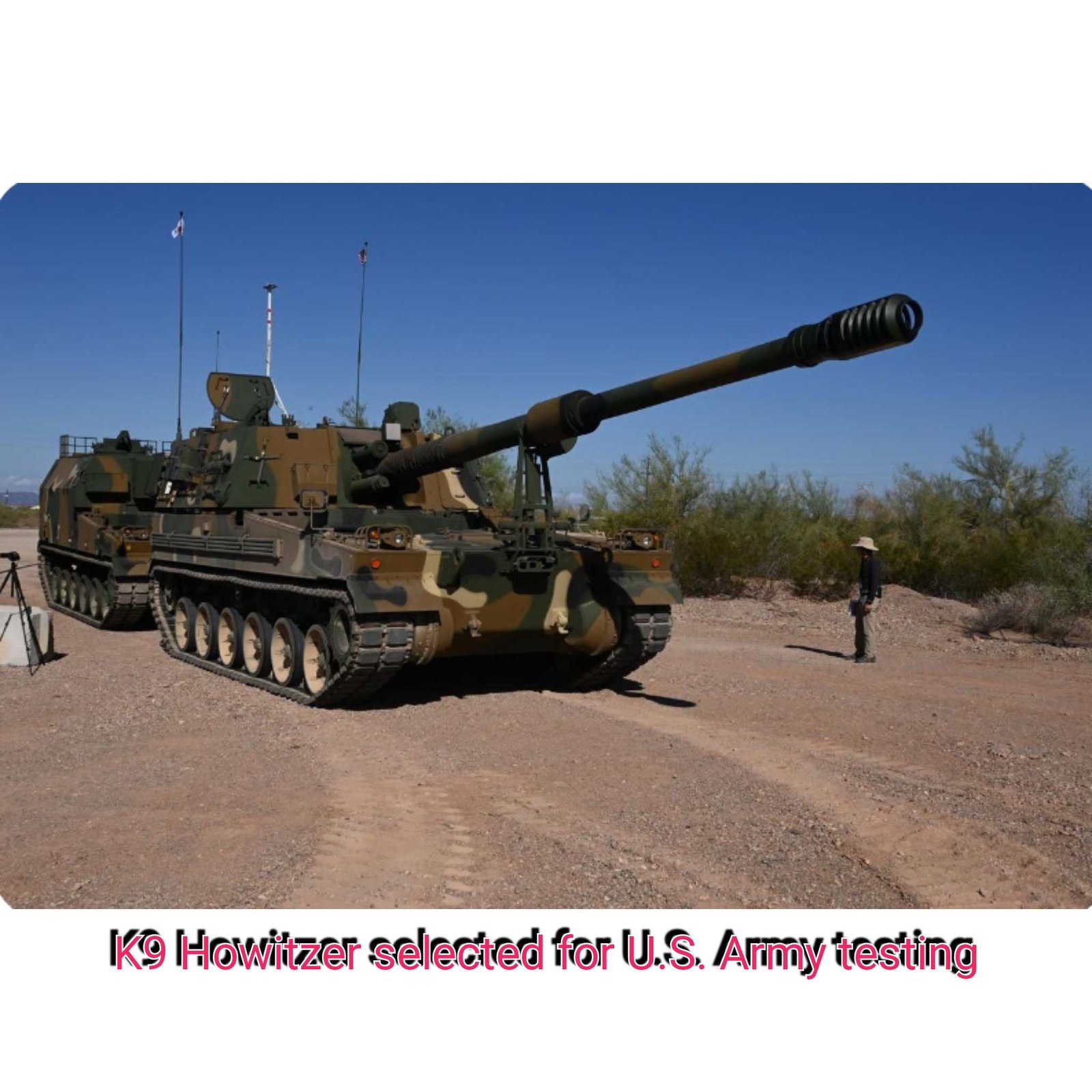
Defense News: US Army Selects South Korea’s K9 Howitzer for Testing as M777 Replacement
- Reporter 12
- 19 Aug, 2026
Alam Ki Khabar | Bihar News | Patna News | Samastipur News | The U.S. Army has selected South Korea’s K9 Howitzer for testing under its Mobile Tactical Cannon program, with the system being evaluated as a potential replacement for the M777.
Washington, August 19: South Korea’s K9 self-propelled howitzer has secured a major opportunity in the United States after being selected by the U.S. Army for its Mobile Tactical Cannon program. The artillery system will now enter a detailed testing and evaluation process as the American military looks for a highly mobile 155mm platform for future combat operations.
The development is significant for India as well because the Indian Army operates the K9 Vajra, the Indian version of the South Korean K9 platform. The system has already gained a strong position in the global defense market, and its entry into a U.S. Army testing program could further strengthen its international profile.
US Army Begins K9 Evaluation
The U.S. Army is looking for a modern mobile artillery system that can provide long-range fire support while moving rapidly with combat formations. The K9 has been selected to participate in this effort under the Mobile Tactical Cannon program.
The selection does not mean that the U.S. Army has already finalized the K9 as a complete replacement for the M777. The system will first undergo prototype testing and operational evaluation.
American soldiers will examine the platform under military conditions and provide feedback on its mobility, firepower, reliability, ammunition handling and ability to operate with modern battlefield networks.
The results of these tests will play an important role in determining whether the program moves toward a larger procurement.
Why the M777 Is Being Reconsidered
The M777 is a lightweight 155mm towed howitzer. Its relatively low weight makes it easier to transport, but it requires a separate vehicle to move from one firing position to another.
The K9 follows a different design. It is a self-propelled artillery system with its own engine, tracked mobility and armored protection.
This gives the K9 the ability to move under its own power after completing a firing mission. Such mobility has become increasingly important on modern battlefields where drones, surveillance systems and counter-battery weapons can quickly identify artillery positions.
The ability to fire and relocate quickly can improve the survivability of an artillery unit.
K9 Offers Mobility and Firepower
The K9 is built around a 155mm artillery gun and combines firepower with protected mobility.
Its tracked chassis allows it to operate across difficult terrain, while its armored structure provides protection to the crew. The system also carries ammunition internally, allowing it to conduct firing missions without immediately depending on another vehicle.
The K9 can operate alongside the K10 ammunition resupply vehicle. The K10 is designed to support ammunition replenishment and helps maintain the artillery unit’s operational tempo.
This combination gives the K9 system a broader battlefield capability than a conventional towed artillery gun.
Ukraine War Has Changed Artillery Warfare
The war in Ukraine has demonstrated how vulnerable artillery positions can become in an environment dominated by drones and long-range surveillance.
Artillery units increasingly need to move quickly after firing to avoid detection and counter-battery attacks.
This has increased international demand for self-propelled artillery systems that can combine range, firepower and mobility.
The U.S. Army’s interest in a Mobile Tactical Cannon reflects this broader shift in artillery warfare.
K9 Has Already Won Global Contracts
South Korea’s K9 has become one of the country’s most successful defense exports.
The K9 family is used by several countries, including India, Australia, Norway, Finland, Estonia, Poland and Türkiye.
Its international success has been driven by its combination of mobility, firepower, protection and battlefield support capability.
The U.S. Army’s decision to test the K9-based system gives South Korea another major opportunity in the international defense market.
India’s K9 Vajra Connection
The U.S. development is particularly important for India because the Indian Army already operates K9 Vajra artillery systems.
K9 Vajra is the Indian version of the South Korean K9 platform and is manufactured in India with the involvement of Larsen & Toubro and technology support from South Korea.
The system has become an important part of India’s artillery modernization program.
Indian forces have used K9 Vajra for operational requirements in different geographical areas, including desert sectors, where high mobility and rapid movement are important.
K9’s Role in India’s Border Strategy
India has major artillery requirements across very different terrains. The country needs systems capable of operating in open desert areas as well as challenging northern border regions.
A self-propelled platform offers an important mobility advantage because it can reposition without relying on a separate towing vehicle.
The K9’s tracked design and protected crew compartment make it suitable for demanding military environments.
India has therefore continued to expand its interest in the K9 family as part of its long-term artillery modernization.
K9 and M777 Are Not Identical
Although both systems use 155mm artillery, K9 and M777 are fundamentally different platforms.
The M777 is designed as a lightweight towed gun. Its biggest advantage is its relatively low weight and transportability.
The K9 is a much heavier self-propelled platform. Its key advantages are independent mobility, armored protection and the ability to move rapidly between firing positions.
Therefore, the U.S. Army’s evaluation will determine whether the additional mobility and protection offered by a self-propelled system better meet future operational requirements.
Hanwha Gets a Major Opportunity
K9 is produced by South Korea’s Hanwha Aerospace. The company has been expanding its presence in international defense markets and has also been strengthening its industrial footprint in the United States.
A successful U.S. evaluation could potentially create a major new opportunity for the company.
The American defense market is one of the largest in the world, and securing a long-term artillery program would significantly strengthen South Korea’s position as a major defense technology supplier.
What Will Happen During Testing?
The K9-based system will now face detailed testing under U.S. Army requirements.
The evaluation is expected to examine mobility, fire-control systems, communications, ammunition compatibility, reliability and operational performance.
American soldiers will also provide feedback on how practical the system is during real military operations.
The Army will then assess the results before deciding whether to proceed toward a larger procurement program.
K9 Has Not Yet Replaced the M777
Despite the major announcement, it is important to understand that K9 has not yet officially replaced the M777 across the U.S. Army.
The current stage is a prototype and testing phase.
The final decision will depend on the performance of the system during evaluation and on how well it fits the Army’s future operational requirements.
If K9 performs successfully, however, it could move closer to a larger procurement opportunity.
Why the U.S. Decision Matters for India
The American evaluation could have an indirect impact on the global reputation of the K9 family.
India already operates K9 Vajra, and a successful U.S. evaluation would provide another major international reference point for the platform.
However, the operational requirements of the U.S. Army and Indian Army are different. Terrain, ammunition, communications and military doctrines vary between the two countries.
Therefore, the U.S. testing should not automatically be treated as a direct assessment of India’s K9 Vajra.
The Bigger Picture
The K9’s selection for the U.S. Army’s Mobile Tactical Cannon program is an important milestone for South Korea’s defense industry.
The American military is looking for artillery systems that can deliver powerful fire support while remaining mobile enough to survive on a modern battlefield.
K9 has already demonstrated its appeal in several international markets. Its next challenge will be to prove that it can meet the demanding requirements of the U.S. Army.
For India, the development is also worth watching because K9 Vajra is already an important part of the country’s artillery fleet.
The K9 has therefore moved into a new phase of its global journey. The immediate goal is testing, and the results will determine whether the South Korean artillery system can eventually secure a much larger role in the U.S. Army.
THIS IS ALSO IMPORTANT
K9 Vajra has become an important part of India’s modern artillery capability.
The Indian version of the South Korean system combines a 155mm gun with tracked mobility and protected operation. Its ability to move rapidly between positions makes it suitable for modern battlefield conditions.
The U.S. Army’s decision to test the K9-based system could further increase international attention on the platform, but the final American procurement decision will only come after detailed testing and evaluation.
Leave a Reply
Your email address will not be published. Required fields are marked *